B2B Lead Generation for Manufacturers: Winning the Day-One Shortlist

Table of Contents
By the time a manufacturer hears about a deal, the deal is usually already half-decided. Not because the buyer was secretive — because the buyer was working. Reading spec sheets. Comparing two competitors you've never been told about. Asking a colleague. Asking ChatGPT.
The research on this stopped being anecdotal a while ago. In the 2025 State of Marketing to Engineers study from IEEE GlobalSpec and TREW Marketing, technical buyers reported spending 60% of the buying process online before they choose to speak to anyone at the company. Seventy-two percent spend at least half of it that way.
And by the time they do reach out, the field is largely set. 6sense's 2025 B2B Buyer Experience Report found that 95% of buyers ultimately purchase from a vendor that was on their Day One shortlist — a list of roughly four names, drawn up before a single seller was contacted.
That is the actual lead generation problem for industrial companies in 2026. Not "we need more leads." We need to be on a list that gets written before anyone tells us it exists.
Key takeaways
- Technical buyers complete 60% of the buying process online before contacting a vendor (IEEE GlobalSpec / TREW Marketing, 2025).
- 95% of B2B purchases go to a vendor on the buyer's Day One shortlist (6sense, 2025).
- 58% of technical buyers use generative AI somewhere in the purchasing process — but 70% rarely or never use it to evaluate or decide, and their trust in AI answers sits at 4.4 out of 10, down from 6.5 the year before.
- An informative, well-maintained website is the single strongest credibility signal buyers named (4.0 / 5) — trade show sponsorship scored 2.8 and social media presence 2.4.
- Manufacturing marketing budgets ran at 9.5% of company revenue in 2025, above the 7.7% all-industry average (Gartner) — but that figure comes from enterprises above $1B in revenue, not the mid-market.
What actually changed in industrial buying
The research phase moved, and it moved permanently
The old industrial sales motion assumed the first conversation was the beginning. It isn't. It's closer to the midpoint.
The GlobalSpec data holds remarkably steady across age and geography — 59% to 64% of the journey happens online whether the buyer is 28 or 62, in the Americas or in Europe. This is not a generational quirk waiting to age out. It's how the work gets done now.
What finally triggers the call is worth knowing, because it tells you what your content has to survive:
- Technical complexity of the solution — 47%
- Pricing / inventory questions — 40%
- Desire to validate what they found online — 34%
- Interest in a demo — 26%
- Procurement department — 10%
- Frequent outreach from the vendor — 8%
Note the two that matter most. Buyers call when the problem is too technically complex to resolve alone, and when they want to validate something. Only 8% called because a vendor kept reaching out. Your outbound cadence is not what creates the conversation. Your technical depth is.
The shortlist is written before you're invited
The 6sense finding is the uncomfortable one. Buyers name roughly four vendors on Day One, evaluate about 4.5, and 95% of the time buy from that original list. They typically don't engage sellers until they are two-thirds of the way through a journey that averages close to a year.
Which reframes everything. Lead generation, for a manufacturer, is not a campaign that runs when you need pipeline. It is the accumulated residue of being findable and credible during a year you weren't watching.
AI search is a discovery surface, not a decision surface
This is where most of the current advice gets it wrong, in both directions.
One camp says AI search changes nothing. The other says optimize everything for ChatGPT immediately. The 2025 data supports neither, and the real picture is more useful than either.
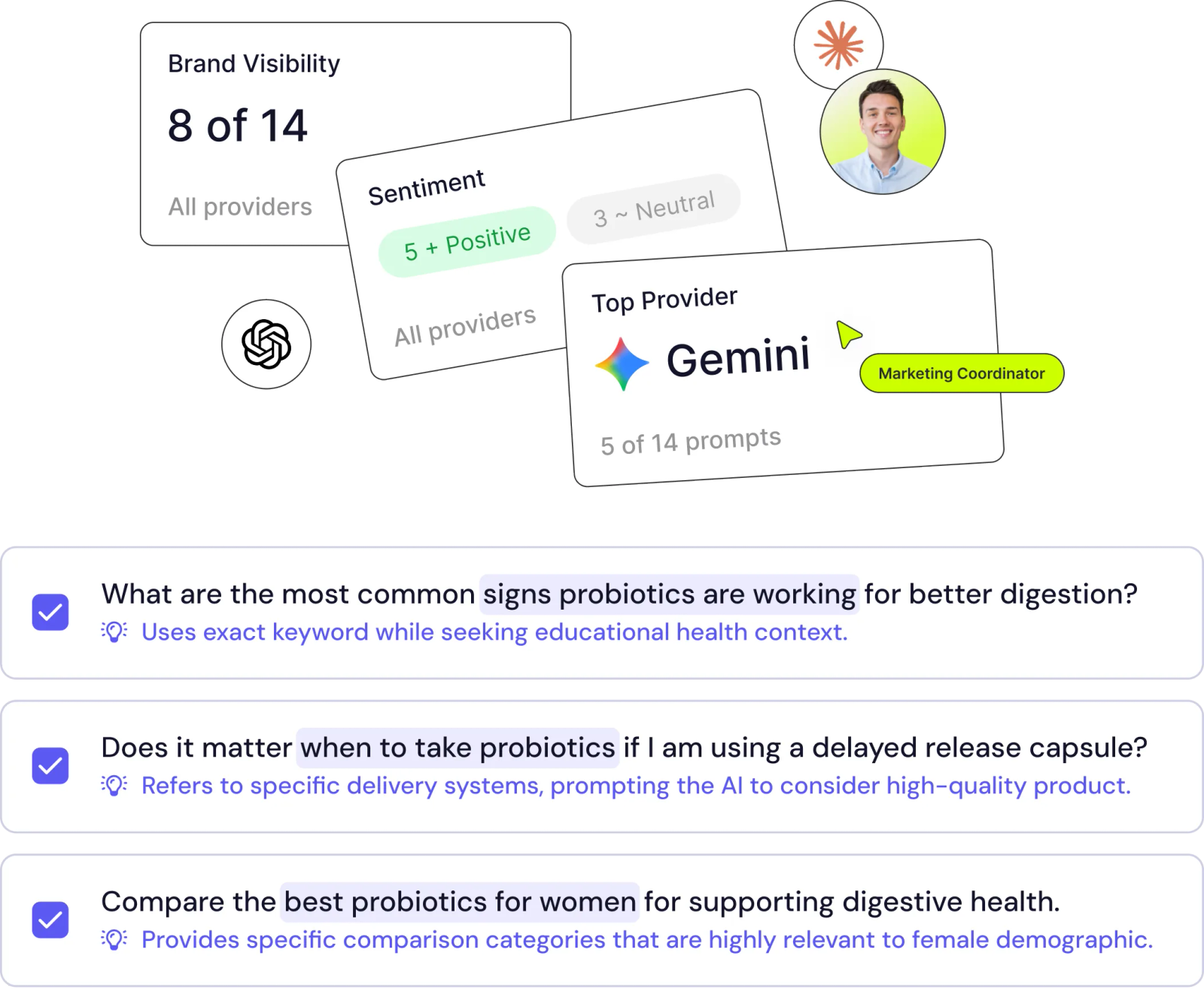
Adoption is real: 58% of technical buyers use generative AI somewhere in the purchasing process. ChatGPT dominates among those who do, at 72%.
Trust is not: on a 1–10 scale, technical buyers rate their trust in answers from generative AI platforms at 4.4 — down sharply from 6.5 in 2024. Seventy percent say they rarely or never use it to evaluate or make a purchasing decision. Forty-two percent never do.
Read those together and the conclusion is specific. Engineers are increasingly using AI to find and frame options — and then leaving it to verify elsewhere. AI tells them who exists. Your website tells them whether you're real.
That means the two jobs are different, and you need both:
- Be citable. AI answers are assembled from sources that state things plainly and specifically. Vague positioning doesn't get extracted.
- Survive the click-through. When a buyer arrives to check whether the AI was right, a thin page loses the deal that the citation just won.
If you want the mechanics of the first half, we went deeper in what generative engine optimization actually is. This article is about the system around it.
Why trust fell — and what to do about it
The trust drop from 6.5 to 4.4 in a single year is the most strategically interesting number in the whole report. Engineers didn't get less capable with AI. They got more exposed to confidently wrong answers about technical specifications, where being approximately right is the same as being wrong.
The practical consequence: specificity is your moat. Content that commits to real numbers, tolerances, materials, standards, lead times and failure modes is content an AI can cite accurately and a skeptical engineer can verify. Content full of "industry-leading solutions" is useless to both.
The report's own guidance for companies putting AI in their products applies just as well to marketing: a "Powered by AI" badge convinces no one. Show where the data came from and how you know it's right.
Where manufacturers actually get found
Your website is the credibility test — everything else is a referral to it
Asked to rate what signals a credible supplier on a 1–5 scale, buyers ranked:
- Informative, well-maintained website — 4.0
- Recommendations / references from past customers — 3.8
- Case studies with well-known brands — 3.6
- Visibility across technical publications — 3.5
- Affiliation with technical experts / industry bodies — 3.5
- Awards and recognition — 3.2
- Prominent trade show sponsorships — 2.8
- Active social media presence — 2.4
The gap between the top and the bottom is the whole argument. Technical buyers are almost twice as likely to read a strong website as a credibility signal than a prominent trade show sponsorship. If your marketing budget is weighted toward booth space and your website hasn't been meaningfully updated in three years, you have the ratio backwards.
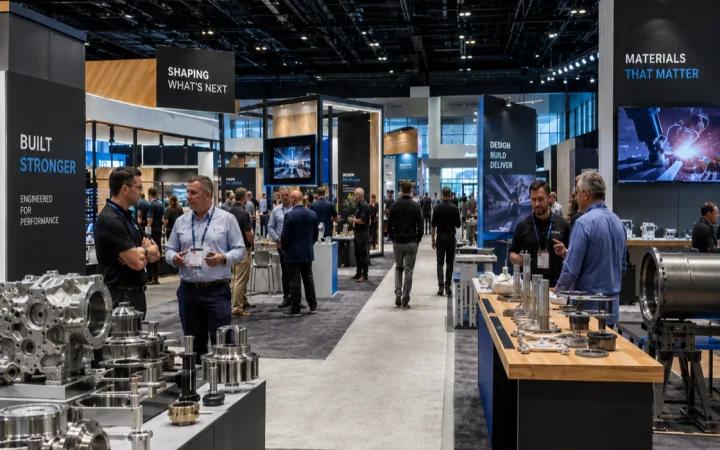
This doesn't mean stop going to trade shows — 75% of technical buyers planned to attend at least one in-person event. It means the show generates the search, and the website closes the credibility question. Fix the destination before you buy more traffic to it.
Independent sources outrank your own claims
Eighty-six percent of technical buyers deliberately seek out independent, non-vendor-sponsored sources at least some of the time. What they most want from those sources is telling:
- Product reviews — 66%
- Product comparisons — 56%
- Instructions and how-to — 44%
- Product demos — 42%
- Analysis of industry trends — 39%
Two of the top three are things most manufacturers refuse to publish about themselves: honest comparison, and instruction detailed enough to be useful before purchase. The companies that publish real comparisons — including where they're not the right fit — get cited by AI, trusted by engineers, and shortlisted on Day One. It feels risky and it is the cheapest advantage available.
The channels engineers said they actually use
Where technical buyers routinely look when researching a product or service:
- Supplier / vendor websites — 73%
- Online trade publications — 73%
- Print technical publications — 45%
- Sales / application engineers — 37%
- Industry directory websites — 34%
- YouTube — 31%
- Conferences and trade shows — 29%
- Webinars — 26%
Also worth noting: 91% subscribe to at least one work-related newsletter and 69% subscribe to three or more. Sixty-four percent listen to work-related podcasts. The unglamorous channels are still where the attention is.
The budget reality nobody mentions
Gartner's 2025 CMO Spend Survey put manufacturing marketing budgets at 9.5% of company revenue, against a 7.7% average across all industries — one of the highest allocations of any sector.
Before you benchmark yourself against that, read the methodology. Gartner surveyed 402 marketing leaders, the vast majority at companies above $1 billion in revenue, and the manufacturing subsample was small (n = 52).
So the honest translation is: the large manufacturers you compete against are spending roughly 9.5% of revenue to occupy the online research phase. A $40M manufacturer with one marketing coordinator is not going to match that with effort. This is precisely why the discipline matters more than the budget — being consistently specific and findable beats being occasionally loud.
A practical 90-day system
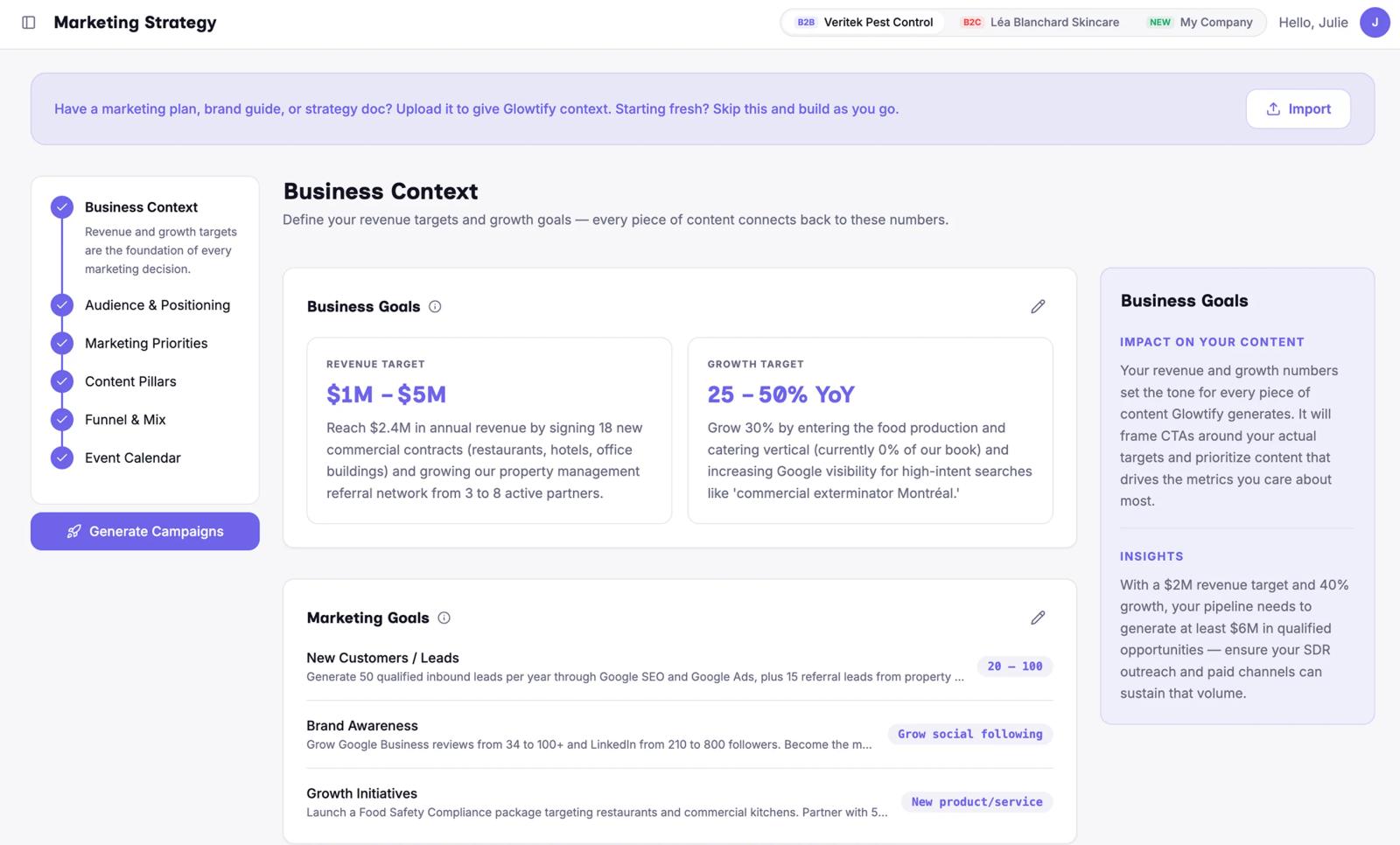
Long sales cycles punish scattered effort. This sequence assumes a small team and no new headcount.
Days 1–30: fix the destination
- Pick your five highest-value applications — not products, applications — and write one substantial page for each: the problem, the specification, the trade-offs, the failure modes, what you'd use instead if it isn't a fit.
- Put real numbers on them. Tolerances, capacities, materials, lead times, certifications.
- Make sure every page answers, in its first two sentences, the question a buyer would type. That sentence is what an AI extracts.
Days 31–60: build the verification layer
- Publish two honest comparisons against the alternatives buyers actually consider, including the case where you lose.
- Turn your three best projects into case studies with numbers — before, after, timeline, constraint.
- Ask your four best customers for a reference quote. This is the 3.8 credibility signal, and it costs nothing.
Days 61–90: make it repeat
- Start a monthly newsletter with one genuinely useful technical piece. Not a company update. 91% of your buyers already subscribe to something — the question is whether it's you or a competitor.
- Get one placement in a trade publication your buyers named. Visibility there scored 3.5 as a credibility signal, and those publications are heavily represented in AI training and citation.
- Set the cadence you can sustain for a year, because the buying journey is a year.
How to measure this when the cycle is twelve months
Last-touch attribution will tell you this work doesn't pay. Last-touch attribution is wrong here, structurally: if 95% of wins come from a Day One shortlist and buyers don't identify themselves until two-thirds through, the touch that "converted" is almost never the touch that mattered.
Track leading indicators instead:
- Shortlist presence. Ask every new opportunity: how did you first hear of us, and who else is on your list? Log it. This is your only real read on Day One.
- Branded and application-level search volume. Rising branded search is the earliest measurable sign the research phase is finding you.
- AI citation checks. Once a month, ask the major assistants the ten questions your buyers ask. Record whether you appear, and what source they cite. It's crude, and it's the best available signal.
- Depth on application pages, not bounce rate on the homepage.
- Reference and comparison page traffic — the pages buyers hit in the validation phase, right before they call.
Frequently asked questions
How long before industrial content marketing produces leads?
Expect the first inbound conversations in three to six months, and meaningful pipeline contribution in nine to twelve. That's not slowness — it matches a buying journey that averages close to a year. Anything faster is usually demand that already existed.
Should manufacturers optimize for ChatGPT or for Google?
Both, and the work overlaps more than the vendors selling either will admit. Specific, well-structured, verifiable content on a fast site is what ranks and what gets cited. The 58% of technical buyers using generative AI mostly use it to discover options, then verify in a traditional search or on your website.
Are trade shows still worth it for lead generation?
Yes, as a demand trigger — 75% of technical buyers planned to attend at least one event. But prominent sponsorship scored 2.8 out of 5 as a credibility signal versus 4.0 for a strong website. Treat the show as what starts the search, not what wins the evaluation.
What's the single highest-leverage thing a small manufacturing team can do?
Write the five application pages properly, with real numbers. It's the destination for every other channel, it's what AI cites, and it's what the buyer checks before calling.
Is outbound dead in industrial B2B?
No, but it's not what creates the conversation. Only 8% of buyers said frequent vendor outreach prompted their first contact, against 47% who called because the problem was technically complex. Outbound works best as a well-timed nudge to buyers already researching — not as a substitute for being findable.
Sources
- 2025 State of Marketing to Engineers: Building Trust in the AI Era — IEEE GlobalSpec, TREW Marketing and Elektor. Eighth annual edition; 1,024–1,133 respondents globally, 82% in engineering or R&D roles.
- 2024 State of Marketing to Engineers: The Quest for Technical Solutions — IEEE GlobalSpec and TREW Marketing, for the year-over-year AI trust comparison.
- The B2B Buyer Experience Report 2025 — 6sense, on Day One shortlists and seller engagement timing.
- Gartner 2025 CMO Spend Survey — 402 marketing leaders, February–March 2025, North America / UK / Europe.
- Manufacturing Marketing Budget Benchmark — Gartner, sector-level budget context.
- B2B Lead Generation for Manufacturers — SUPPLYCO, for channel-level CPL framing.
- B2B Marketing Strategy for Industrial and Manufacturing Companies — Three Seven Marketing, on buyer-versus-influencer segmentation.