SEO 101: A Comprehensive Guide to Search Engine Optimization (SEO)
Table of Contents
Understanding SEO
Core Components of SEO
In the modern digital era, Search Engine Optimization (SEO) plays a critical role in helping businesses improve their online visibility and reach their target audience. By optimizing various elements of a website, businesses can improve their rankings on search engine results pages (SERPs), thereby attracting more organic traffic. This short guide delves into the fundamentals of SEO, its significance, core components, and how platforms like Glowtify can assist eCommerce brands in their SEO endeavors.
Understanding SEO
SEO involves a series of strategies and practices designed to improve a website’s visibility on search engines like Google. The primary objective is to rank higher for relevant keywords, making it easier for potential customers to find your site when searching for products or services you offer. Effective SEO not only drives traffic but also enhances user experience and credibility.
Why SEO Matters
The importance of SEO cannot be overstated. A significant portion of online experiences begins with a search engine, and users are more likely to click on the top results. By appearing on the first page of SERPs, businesses can:
- Increase brand awareness
- Drive targeted traffic
- Enhance credibility and trust
- Achieve higher conversion rates
Moreover, SEO offers a cost-effective marketing strategy with long-term benefits, making it an essential component of digital marketing.
Core Components of SEO
1. Keyword Research
Identifying the right keywords is the foundation of SEO. This involves understanding what terms your target audience uses when searching for products or services. Tools like Moz’s Keyword Explorer or Google Keyword Planner can assist in discovering high-volume and low-competition keywords relevant to your niche.
Keywords generally fall into four main categories:
- Informational keywords reflect a user’s intent to learn more about a topic (e.g., “how to start a blog”).
- Navigational keywords are used when someone wants to find a particular website or brand (e.g., “Twitter login”).
- Commercial keywords suggest that a user is comparing options or gathering details before making a decision (e.g., “best smartphones 2025”).
- Transactional keywords reveal a clear readiness to take action, such as making a purchase (e.g., “buy running shoes online”).
Recognizing these keyword types allows you to create content that better aligns with the specific goals of your audience.
2. Content Creation
High-quality, relevant content is at the heart of SEO. Creating informative blog posts, product descriptions, and multimedia content that address user intent can drive traffic and encourage sharing, further amplifying reach.
3. On-Page SEO
On-page SEO refers to optimizing individual web pages to rank higher and earn more relevant traffic.
Key elements include:
- Title tags and meta descriptions
- Header tags (H1, H2, H3)
- URL structure
- Image alt text
- Internal linking : enables search engines to find and index pages more efficiently.
Ensuring that content is well-structured and includes relevant keywords enhances both user experience and search engine understanding.
4. Technical SEO
Technical SEO focuses on the backend aspects of a website that affect its visibility. This includes:
- Site speed optimization
- Mobile-friendliness
- Secure connections (HTTPS)
- XML sitemaps
- Robots.txt files
A technically sound website ensures that search engines can crawl and index content efficiently.
5. Off-Page SEO
Off-page SEO involves activities outside your website that impact rankings. The most notable is backlink building, where other reputable sites link to your content, signaling trustworthiness to search engines. Engaging in guest blogging, influencer outreach, and social media marketing can reinforce off-page SEO efforts.
SEO Best Practices
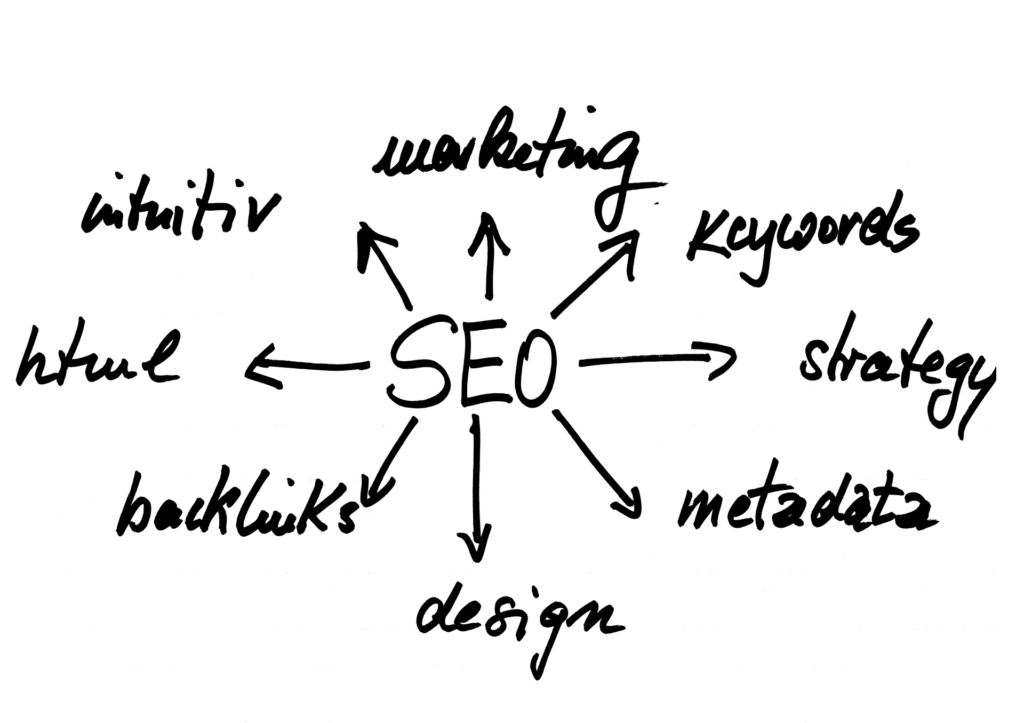
To maximize SEO effectiveness:
- Focus on User Experience: Ensure your website is easy to navigate, visually appealing, and provides valuable information.
- Optimize for Mobile: With the majority of searches conducted on mobile devices, a responsive design is crucial.
- Regularly Update Content: Fresh content signals to search engines that your site is active and relevant.
- Utilize Analytics Tools: Platforms like Google Analytics and Search Console provide insights into traffic sources, user behavior, and keyword performance.
- Stay Informed: SEO is ever-evolving. Keeping abreast of algorithm updates and industry trends ensures your strategies remain effective.
How Glowtify Enhances eCommerce SEO
Glowtify leverages your SEO foundation, including the strategic selection of the four keyword types—informational, transactional, navigational, and commercial—and your content pillars to proactively suggest relevant blog post ideas. It then creates high-quality content while incorporating internal links to other pages on your site, ensuring the transfer of page authority to enhance SEO performance and improve rankings.
By leveraging Glowtify’s expertise, eCommerce brands can navigate the complexities of SEO, ensuring their products reach the right audience effectively.
Conclusion
SEO is an indispensable tool in the digital marketing toolbox of an eCommerce brand. By understanding its core components and implementing best practices, businesses can enhance their online presence, drive targeted traffic, and achieve sustainable growth. Platforms like Glowtify further streamline this process for eCommerce brands, offering specialized tools and insights to stay ahead in a competitive market.
You need help with your SEO strategy? Glowtify is here for you.