Understanding Search Engine Fundamentals : How Online Visibility Works

Table of Contents
The Building Blocks of Search Engine Performance
How Businesses Can Improve Search Engine Performance
In today’s digital age, understanding how search engines operate is indispensable for businesses aiming to enhance their online visibility. Search engines like Google, Bing, and Yahoo serve as the primary gateways to the internet, directing users to relevant content based on their queries. This article explores the fundamental processes of search engines—crawling, indexing, and ranking—and how businesses can optimize their websites to align with search engine criteria.
The Building Blocks of Search Engine Performance

1. Crawling: Discovering New Content
Crawling is the initial step in the search engine process. Search engines deploy automated bots, commonly known as crawlers or spiders, to scour the internet for new and updated content. These bots navigate from one webpage to another via hyperlinks, collecting data on various types of content, including text, images, and videos.
For example, when a new blog post is published, crawlers detect it through internal links or sitemaps and add it to their list of pages to visit. It’s essential for website owners to ensure their sites are easily navigable and that important pages are accessible through internal linking structures.
2. Indexing: Organizing the Information
Once crawlers gather data from web pages, the next step is indexing. Indexing involves analyzing and storing the collected information in a vast database. During this phase, search engines assess the content’s relevance, quality, and structure. They consider factors such as keywords, meta tags, and site architecture to determine how the content should be categorized.
Proper indexing ensures that when users search for specific information, the search engine can retrieve the most pertinent results. Website owners can facilitate effective indexing by providing clear titles, descriptive meta descriptions, and structured content.
3. Ranking: Delivering Relevant Results
After indexing, search engines rank web pages based on their relevance to specific queries. The ranking process considers numerous factors, including keyword usage, site authority, user experience, and mobile-friendliness. Pages that best match the user’s intent and provide valuable information are positioned higher in the search results.
It’s important to note that search engine algorithms are continually evolving. They aim to deliver the most accurate and helpful results, penalizing practices like keyword stuffing or duplicate content. Staying updated with algorithm changes and adhering to best SEO practices is vital for maintaining and improving search rankings.
The Importance of Understanding Search Engine Operations
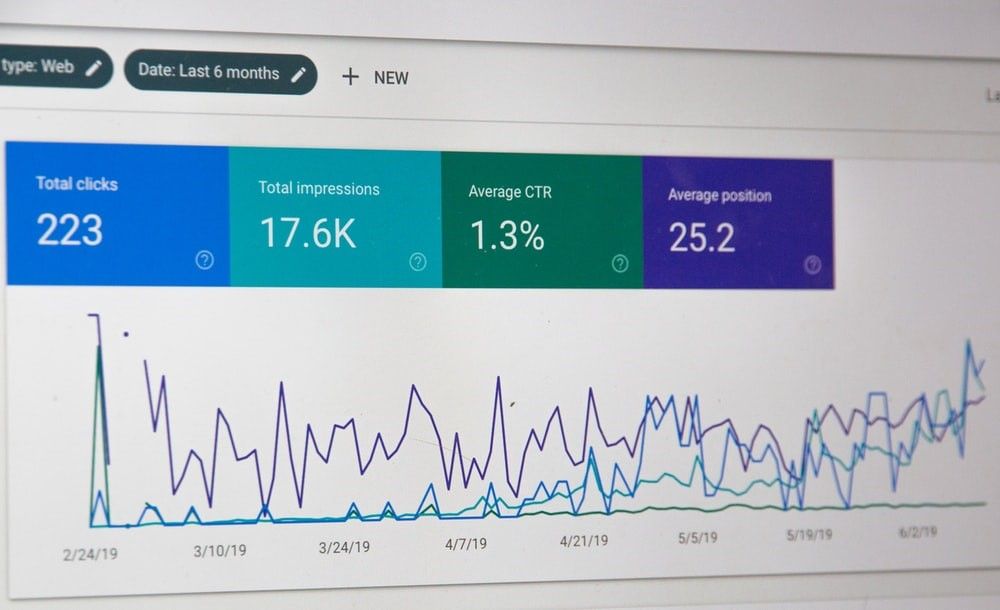
For businesses, comprehending how search engines function is more than just technical knowledge—it’s a strategic advantage. By aligning website content and structure with search engine criteria, businesses can enhance their visibility, attract targeted traffic, and ultimately increase conversions.
Moreover, understanding these processes helps in identifying and rectifying issues that may hinder a website’s performance in search results. Regular audits and updates ensure that the site remains compliant with current SEO standards and continues to meet user expectations.
How Businesses Can Improve Search Engine Performance
Streamlined SEO Optimization
To maximize search engine visibility, businesses should ensure that their website content is optimized for relevant keywords. This includes optimizing product descriptions, blog posts, and metadata to improve the chances of ranking higher in search results.
Enhanced Site Structure and Navigation
A well-structured website not only improves user experience but also facilitates better crawling and indexing by search engines. Businesses can benefit from organizing product categories, implementing internal linking strategies, and creating clear sitemaps to improve search rankings.
Performance Monitoring and Analytics
Understanding how your website performs is crucial for ongoing SEO success. Using analytics tools to track key metrics like traffic sources, bounce rates, and conversion rates provides valuable insights. These insights enable businesses to make informed decisions and adjust strategies as needed.
Adaptation to Algorithm Changes
Search engine algorithms are dynamic, and staying compliant requires constant vigilance. Businesses should keep track of major algorithm updates and adjust their SEO strategies to maintain or improve their rankings.
Conclusion
Understanding the inner workings of search engines is important for any business aiming to thrive online. With effective SEO strategies in place, businesses can improve their search rankings, drive targeted traffic, and position themselves for long-term success in an increasingly competitive digital marketplace.
As SEO continues to evolve, the rise of AI, Large Language Models (LLMs), and AI-Optimized Content (AIO) is transforming how online visibility is achieved. These technologies streamline tasks like keyword research, content creation, and internal linking, making SEO more efficient and effective. Staying ahead of these advancements will be key to maintaining strong rankings in the future.