The Power of Audience Targeting: What It Is, Why It Matters, and How to Do It Right

Table of Contents
Identifying your target audience is the foundation of effective marketing and long-term business success. These are the people most likely to buy from you—and if you’re not clear on who they are, your efforts may fall flat. Misaligned branding and vague messaging can easily get lost in the noise.
Don’t let that happen. Instead, learn how to define and connect with the right people from the start. In this guide, we’ll walk you through best practices for identifying your ideal audience—the first step toward building strong, lasting customer relationships and impactful marketing strategies.
What is a Target Audience
A target audience refers to a distinct group of individuals who are most likely to show interest in and gain value from your product, service, or message. This group represents a specific segment of the broader population, united by shared traits such as demographics, interests, or needs. For businesses, pinpointing their target audience is essential to craft effective marketing strategies and engage the right customers.
Talk to the Right Crowd: Why Audience Insight Is Everything

Understanding your target audience is essential for effective branding and marketing. When you know who you’re speaking to, you can:
- Build a brand identity that aligns with their values
- Create marketing campaigns that truly connect
- Attract the right customers by tapping into their interests
- Increase satisfaction by meeting expectations
- Encourage loyalty and word-of-mouth promotion
Without clear audience insight, your messaging can miss the mark.
Here is an example of how poor audience insight cost a brand big :
In 2017, Dove released a short Facebook ad where a Black woman removes her shirt and “transforms” into a white woman, followed by a third woman with a different skin tone. While Dove claimed the ad was meant to celebrate diversity, many viewers interpreted it as suggesting that lighter skin is somehow “cleaner” or more desirable.
The sequence unintentionally echoed racist imagery from old soap ads that promoted whiteness as a beauty standard. Even a brand known for inclusivity can misstep if it doesn’t fully understand how its audience will interpret the message.
It highlights the importance of testing creativity with diverse focus groups and being culturally aware.
5 Steps to Target Your Audience the Right Way

Step 1 – Understand Your Product and Its Value
Start by analyzing your product or service. Ask yourself:
What problem does it solve?
Spotify gives users access to a vast library of music and podcasts, eliminating the need for purchasing individual songs or albums.
Who benefits the most?
Music lovers, podcast enthusiasts, and people who want instant access to diverse audio content.
What makes it unique?
Personalized playlists, music discovery through algorithms, and a vast, ever-growing catalog of both music and podcasts.
This helps clarify who you should target based on the value you offer.
Step 2 – Research the Market
Look beyond your business and analyze your competition:
- Who are they targeting?
- What demographics do they appeal to?
- What gaps can you fill that they don’t?
Check out competitor websites, social media, and tools like Ahrefs or Semrush to see what keywords they rank for or how they position themselves.
Step 3 – Build Buyer Personas
Use your research to create fictional profiles of your ideal customers. Include details like:
- Age, job, income, education
- Goals, pain points, habits
- Media preferences and hobbies
Also, define who isn’t your target to stay focused. Use surveys or customer interviews to fill in gaps and refine these personas.
Step 4 – Choose the Right Channels
Now figure out where your audience spends their time:
- TikTok or Instagram for younger users
- LinkedIn or email for professionals
- Pinterest for lifestyle and design-focused audiences
Tailor your messaging to fit both the platform and the persona.
Step 5 – Test, Learn, Refine
Audience targeting isn’t static. Gather feedback through surveys or performance data, and tweak your personas, channels, or messaging as needed. Continuous refinement helps your brand connect more deeply and effectively.
Testing your audience plays a key role in this process, offering direct insights into motivations, preferences, and pain points that data alone can’t always reveal.
Here are different ways to get those insights :
- Surveys and customer interviews
- A/B Testing
- Website and social media analytics
- Purchase behavior analysis
- Email engagement metrics
- Monitor reviews and User-Generated Content (UGC)
Here are 2 target audience examples that demonstrate the kind of targeting we want to achieve:
Eco-Conscious Mom
Overview:
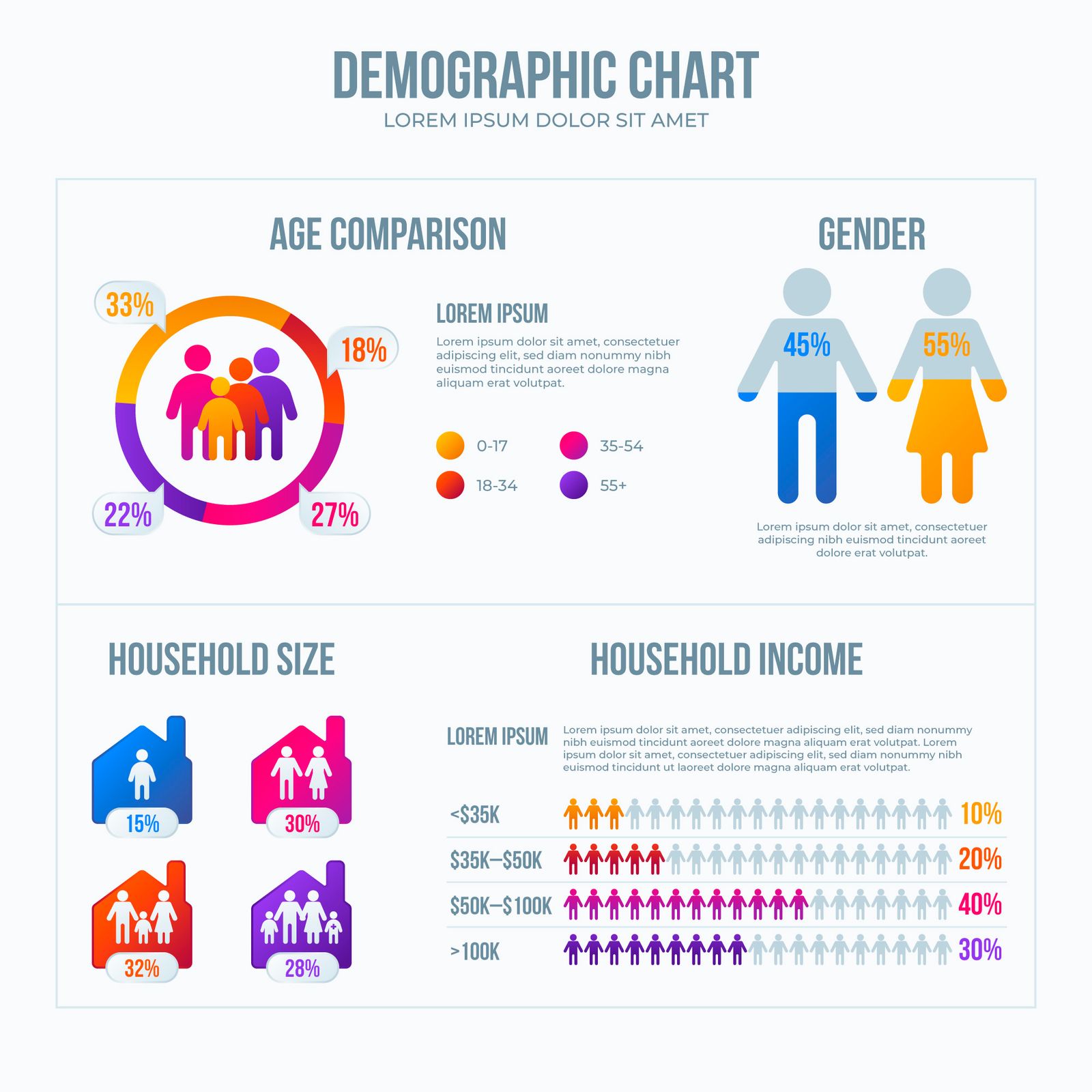
A modern mom who deeply values health, sustainability, and conscious consumerism. She’s balancing a busy family life while trying to make eco-friendly choices for her home and kids.
Demographics:
- Age: 28–45
- Gender: Female
- Location: Suburban areas, often near mid-size or large cities
- Marital Status: Married or in a relationship, often with kids under 10
- Income Level: Middle to upper-middle class
- Profession: Stay-at-home parent, part-time worker, or flexible remote job
Behavior & Preferences:
- Shops online for household goods, organic groceries, kids’ products
- Reads parenting blogs and follows eco-lifestyle influencers
- Frequently checks labels for sustainability, cruelty-free, and organic certifications
- Willing to pay more for quality, long-term value, and ethical sourcing
Pain Points:
- Time constraints for researching every product
- Skepticism about “greenwashing”
- Wants to support brands with real values
Preferred Channels:
- Pinterest, Instagram (especially reels), Facebook mom groups
- Email newsletters with parenting tips and eco-guides
- Blogs with sustainability hacks
Best product categories:
- Non-toxic cleaning supplies
- Reusable household items (bamboo paper towels, beeswax wraps)
- Eco-friendly baby products or toys
Fitness Junkie
Overview:
A health-focused individual who lives for movement and performance. They value function, style, and results — and are always on the lookout for the next great product that supports their fitness journey.
Demographics:
- Age: 20–40
- Gender: Any (slightly more female-dominated for yoga/pilates, male for lifting/gym gear)
- Location: Urban or near fitness-focused communities
- Marital Status: Mostly single or in a relationship
- Income Level: Mid-tier, but prioritizes spending on wellness
Behavior & Preferences:
- Works out 3–6 times a week — gym, running, CrossFit, yoga, or classes
- Uses apps like MyFitnessPal, Nike Training Club, or Peloton
- Follows fitness influencers and watches YouTube reviews
- Looks for apparel that’s stylish and performs (sweat-wicking, breathable)
- Buys supplements, meal plans, and gear regularly
Pain Points:
- Frustration with low-quality or overpriced gear
- Wants authenticity — avoids fads and hype
- Needs motivation and fresh content to stay on track
Preferred Channels:
- Instagram (fitness reels), YouTube (workouts + reviews), TikTok
- Fitness newsletters, podcasts, or fitness forums
- Influencer collaborations
Best product categories:
- Athletic wear (leggings, compression shirts, sports bras)
- Home gym equipment (resistance bands, dumbbells, mats)
- Supplements (protein, pre-workout, vitamins)
- Meal prep tools or wellness-focused food/snacks
Unlock the Power of Reaching Your Target Audience
Follow these steps to connect effectively with your ideal customers:
Define Your Audience
Identify key traits like age, location, interests, values, and buying habits to build a clear customer profile.
Do Your Research
Use tools like surveys, focus groups, and Google Analytics to understand your audience’s needs, preferences, and behavior. AI tools like ChatGPT or Grok help an e-Commerce brand get inside their audience’s mind — from building detailed personas to crafting messaging that speaks their language. It’s like having a fast-track to customer insights without endless guesswork.
Choose the Right Channels
Focus on where your audience spends time—social media, email, search engines, or traditional media. Use SEO to reach them organically.
Craft Targeted Messaging
Create personalized content that addresses their pain points and goals. Use visuals and language that resonate with their lifestyle and values.
Track and Improve
Monitor campaign results using analytics tools. Measure engagement, conversions, and feedback, and adjust your strategy based on what works best.
Refocused Marketing Through Audience Targeting
By applying these strategies and staying tuned in to your audience’s preferences, you can build digital marketing campaigns that boost engagement, strengthen loyalty, and fuel business growth.
Reaching your target audience isn’t a one-time task—it’s an ongoing process that requires continuous learning and adjustment. With a customer-first mindset and clear targeting, you can build a strong brand presence and grow sustainably.
Keep your strategy flexible, data-informed, and always centered around the people you aim to serve.
Let Glowtify help you out !
Glowtify is an AI-powered marketing platform designed to help e-commerce brands effectively target and engage their audience. By integrating with your Shopify store and analyzing your data, Glowtify offers personalized strategies and tools to enhance your marketing efforts. Here’s how Glowtify can assist you:
- Data-Driven Audience Insights
- AI-Powered Campaign Generation
- Personalized Content Creation
- Performance Monitoring and Optimization
By leveraging Glowtify’s AI-driven insights and tools, you can enhance your marketing efforts, effectively target your audience, and drive business growth.